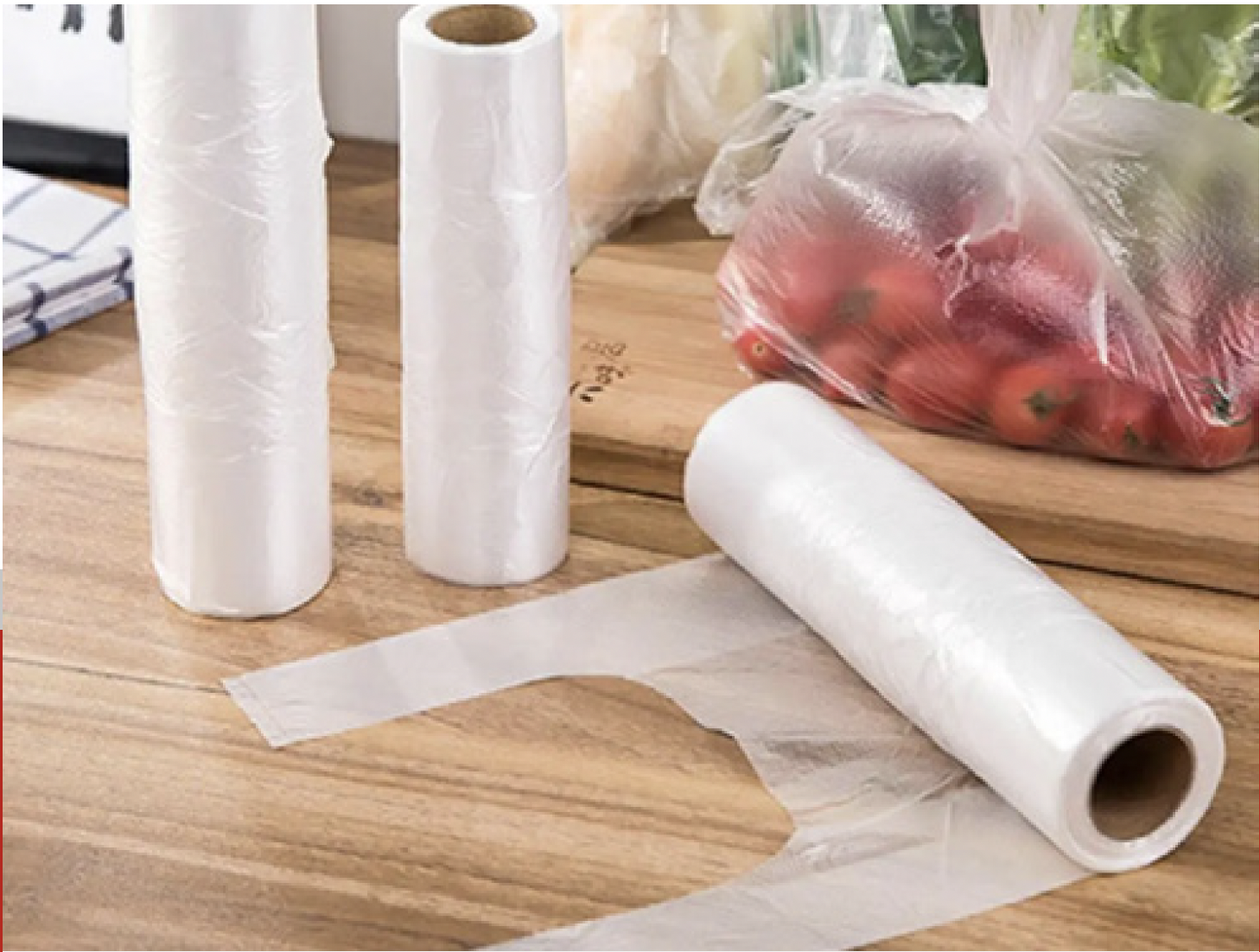
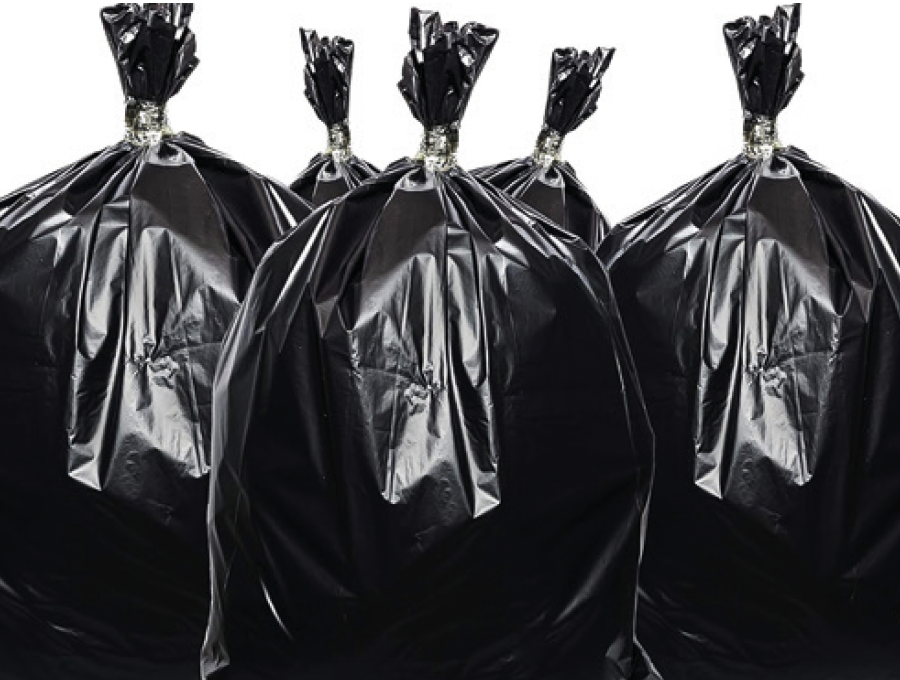
Thanks to its lightweight structure and ease of use, transporting and storing materials becomes significantly more advantageous compared to alternative materials. Plastic films form a thin and flexible layer that protects organic substances within the packaging. With their low permeability, high transparency and smooth surface quality, they are among the most preferred and prestigious packaging materials.

| PROPERTIES | TYPICAL VALUES | UNITS | TEST METHODS |
|---|---|---|---|
| POLYMER PROPERTIES (1) | |||
| Melt Flow Rate (MFR) at 190°C and 5 kg load | 0.04 | g/10 min | ISO 1133 |
| Density at 23°C (1) | 952 | kg/m³ | ISO 1183 |
| MECHANICAL PROPERTIES (2) | |||
| Tensile Stress at Yield | 27 | MPa | ISO 527-1/-2 |
| Tensile Stress at Break | >24 | MPa | ISO 527-1/-2 |
| Elongation at Break | >500 | % | ISO 527-1/-2 |
| Charpy Impact Strength | NB | kJ/m² | ISO 179-1 |
| Shore Hardness | 64 | D scale | ISO 868 |
| Stress Cracking Resistance | >600 | Hr | ASTM 1693 |
| Vicat Softening Temperature | 131 | °C | ISO 11357 |
| Melting Temperature | 124 | °C | ISO 306 |
(1) Typical values; not to be construed as specification limits.
(2) Based on compression molded sheet. Test specimen conditioned at 23°C, 50% RH for 24 hours according to ISO 1872-2.